From the first machine to an international presence

There was no business plan at the beginning — there was a working day. Anyone who has stood in a doner business knows what a machine has to deliver: cut evenly, withstand heat and continuous operation, be repairable.

From practice, not from a catalogue

The first machines were built out of that experience in 1994 and 1995. The first came onto the market in 1995.

The technology it began with was the hand-held electric cutting device — quieter, with less vibration and more freedom of movement than the pneumatic devices common at the time. Around 2000/2001 DEVRAN® was created, the product that shaped the company’s history: robust, simple to operate, long-lasting, and using a standard blade instead of a special one.

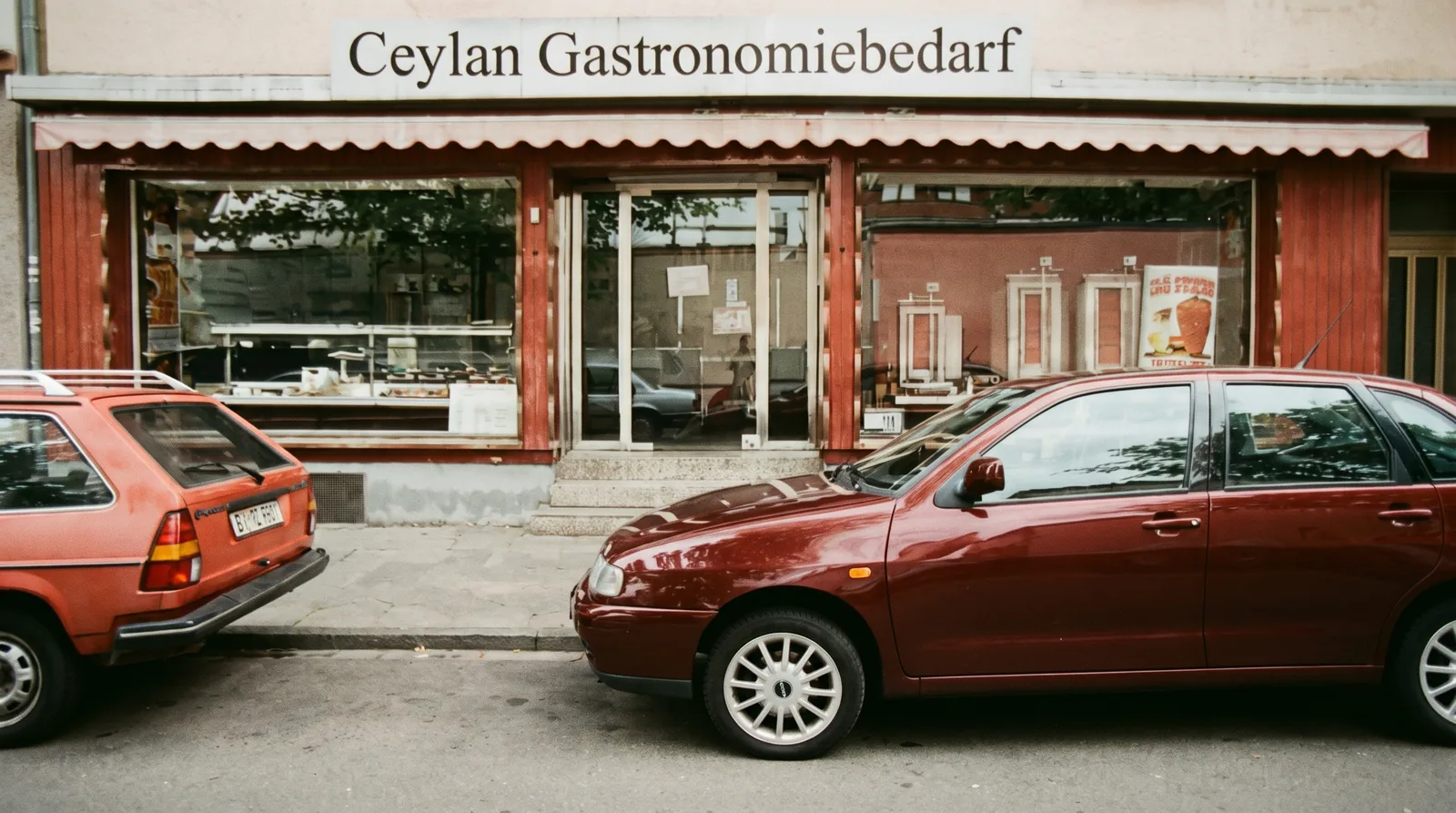
Historical photograph of the CEYLAN Gastronomiebedarf shop front with doner grills in the window
From the company archive — the CEYLAN Gastronomiebedarf shop.

Milestones

Four points at which something changed

  1. 1994/1995

    The first machines

    The first devices emerge from the work in the business; the first comes onto the market in 1995. From the outset the approach is the hand-held electric cutting device — quieter, with less vibration and more freedom of movement than the pneumatic devices common at the time.

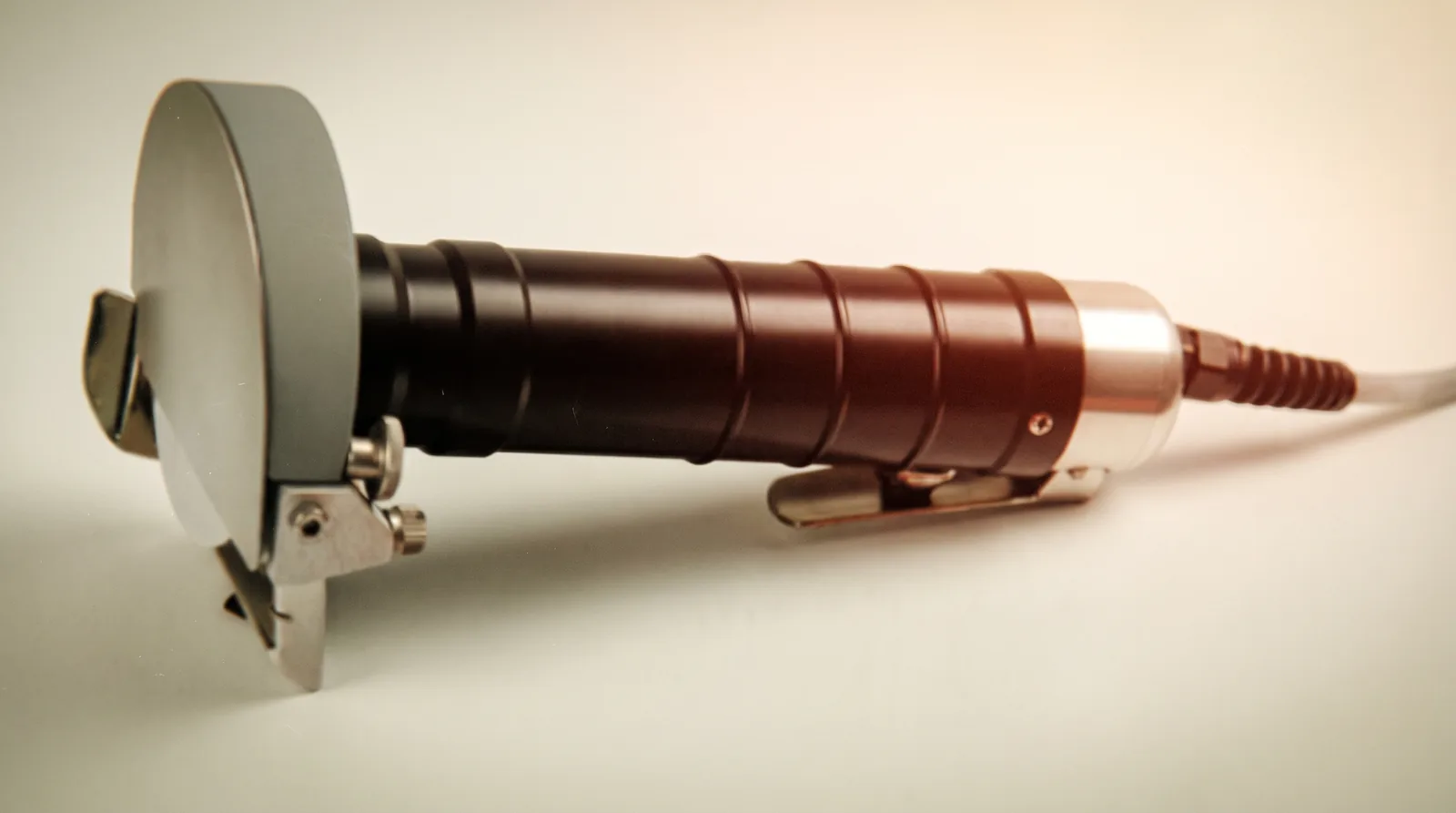
    Historical photograph of an early hand-held electric cutting device with circular blade
    From the company archive — early hand-held cutting device.
  2. 2000/2001

    DEVRAN®

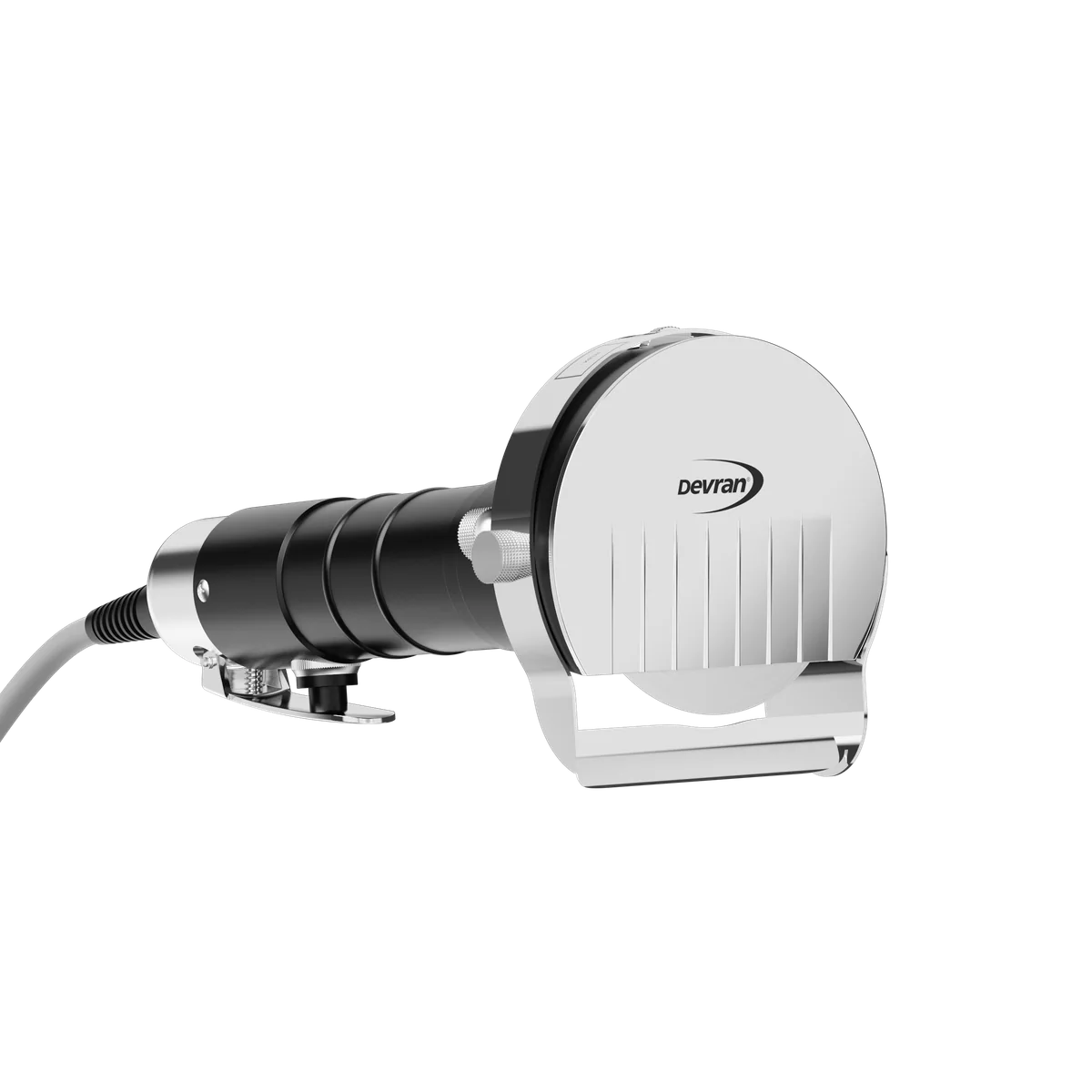
    The product that shaped the company’s history: robust, simple to operate, long-lasting — and using a standard blade instead of a special one. DEVRAN® still stands as the example of the product philosophy.

    CEYLAN DEVRAN — electric doner knife
    DEVRAN® — electric doner knife, current version.
  3. 2022

    New site in Essen

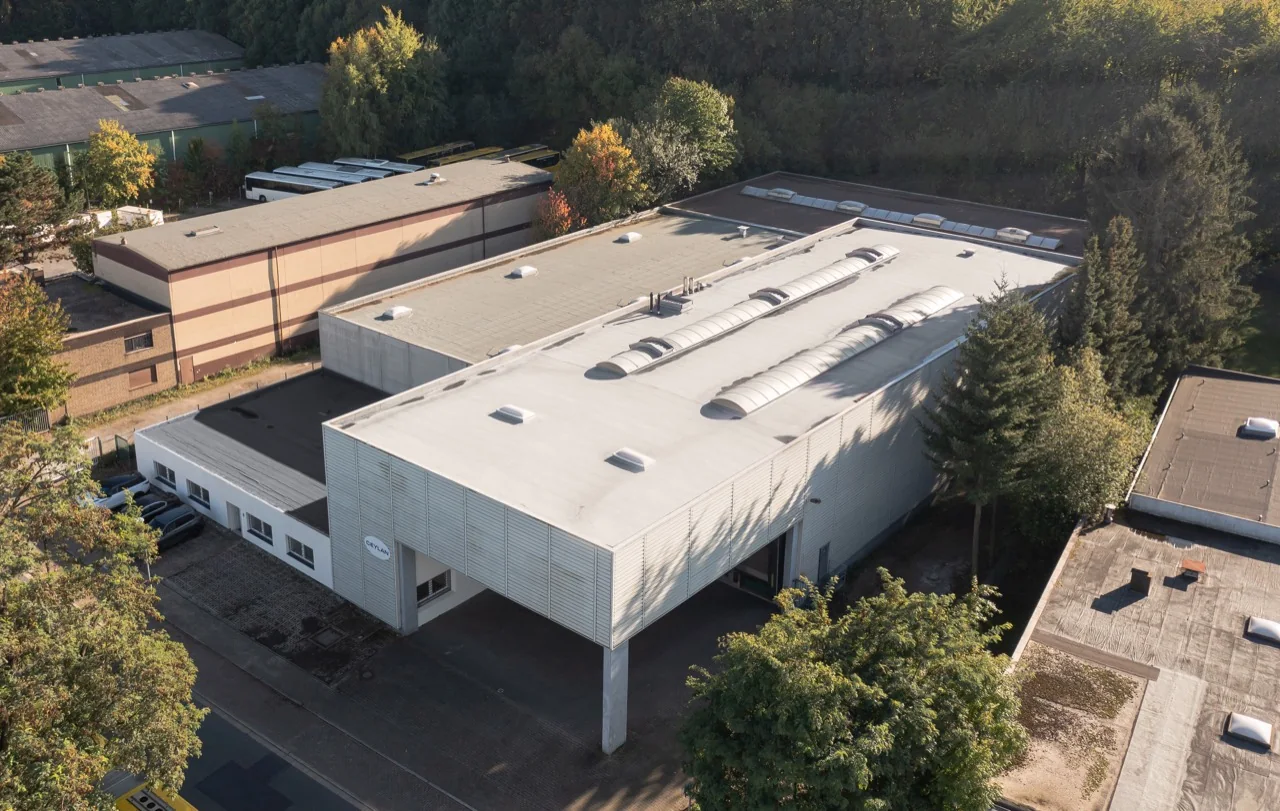
    With the move — 3,000+ m² of company space, 1,000+ pallet locations — quality processes, process control and working standards were further developed.

    Aerial view of the CEYLAN plant in Essen
    Essen site — manufacturing, warehousing and logistics.
  4. Today

    Family-run, in more than 90 countries

    What has remained is the way of working: requirements come from practice, not from a catalogue. The devices are built to be repaired, spare parts and service come directly from the manufacturer — including for older devices. Anyone who develops technology for daily continuous use has to still be able to supply it years later.

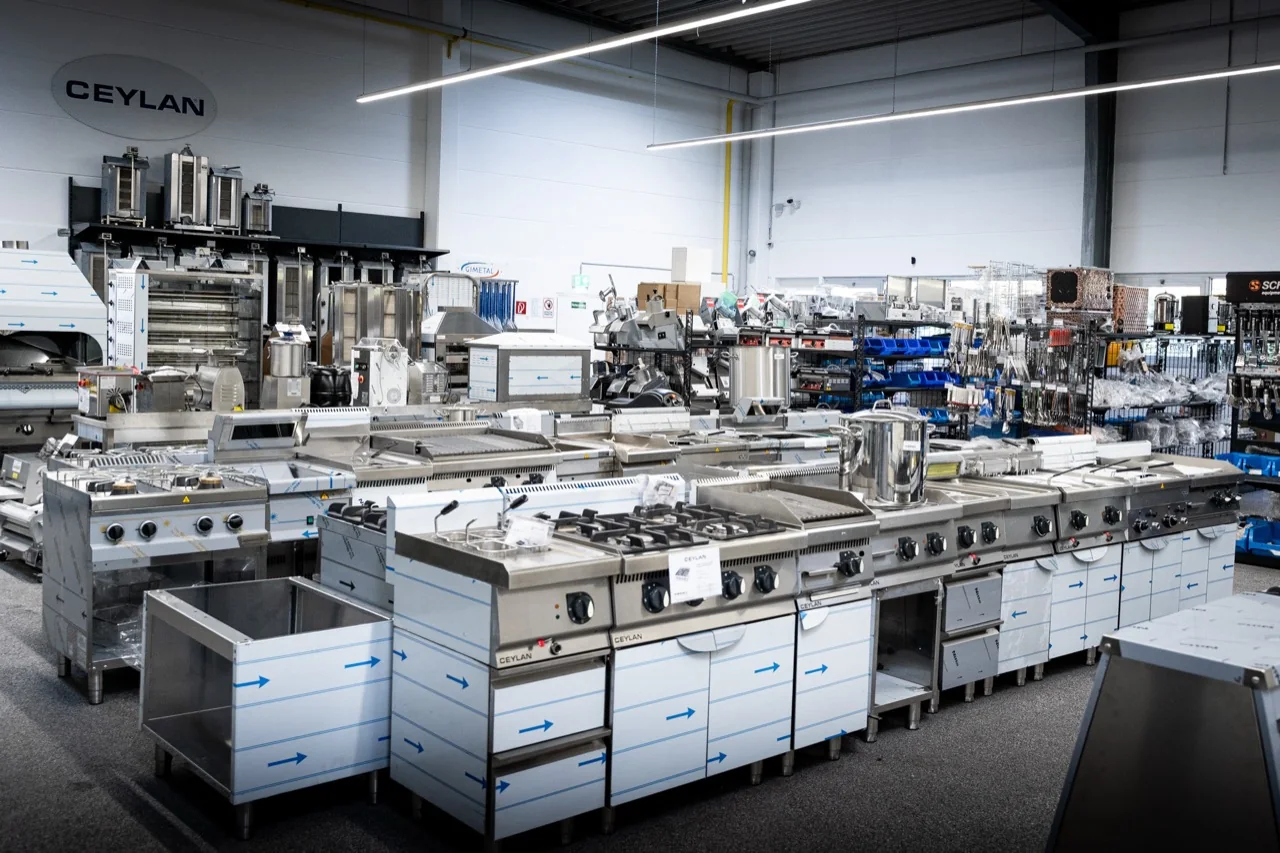
    CEYLAN showroom in Essen
    Today — workshop, warehouse and showroom at the Essen site.

Technical development

From the motor to the blade

From the idea through the machine to the detail.

After the first devices the work went into the detail: drive, gearing, bearings. The positioning of the rotating spit on the grill, so that a heavy spit can be adjusted without force and without hot handles. Finally the geometry of the circular blade itself.

Over three decades a continuous line of development has emerged — from the motor to the blade, documented by CEYLAN’s own industrial property rights. CEYLAN has not only sold electric doner cutting technology; it has worked on its technical development.

Historical exploded drawing of a cutting device showing all individual parts
From the company archive — exploded view of a cutting device.

Stages of the development line

  1. 01Motor
  2. 02Drive
  3. 03Gearing
  4. 04Bearings
  5. 05Grill positioning
  6. 06Blade coupling
  7. 07Blade geometry

Archive

Photographs from the early years

Historical photograph: hand-held electric cutting device in use at the rotating spit
The principle: hand-held, electric, directly at the spit.
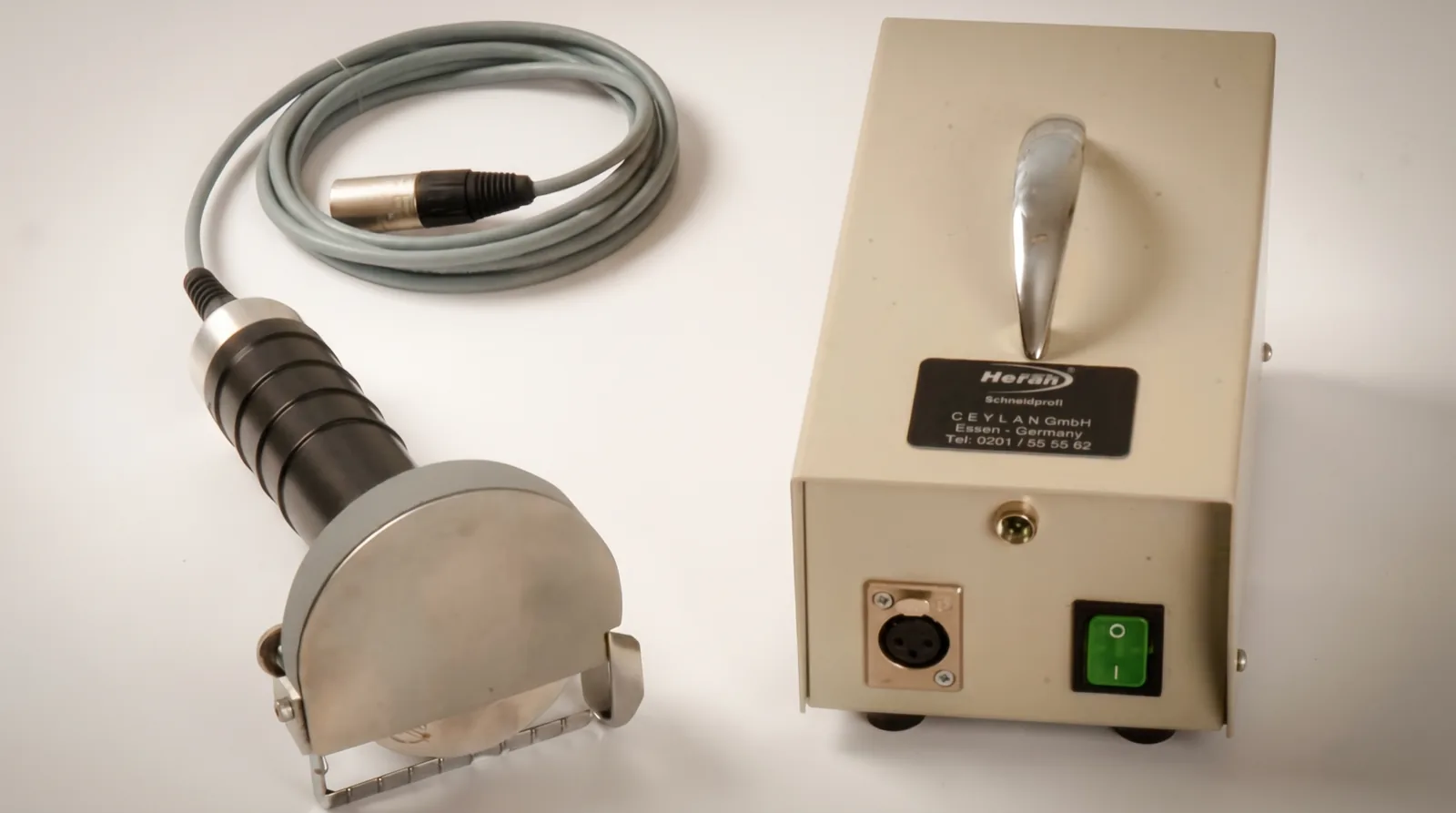
Historical photograph: HERAN cutting device with cable and matching power unit
HERAN® — cutting device with its power unit.
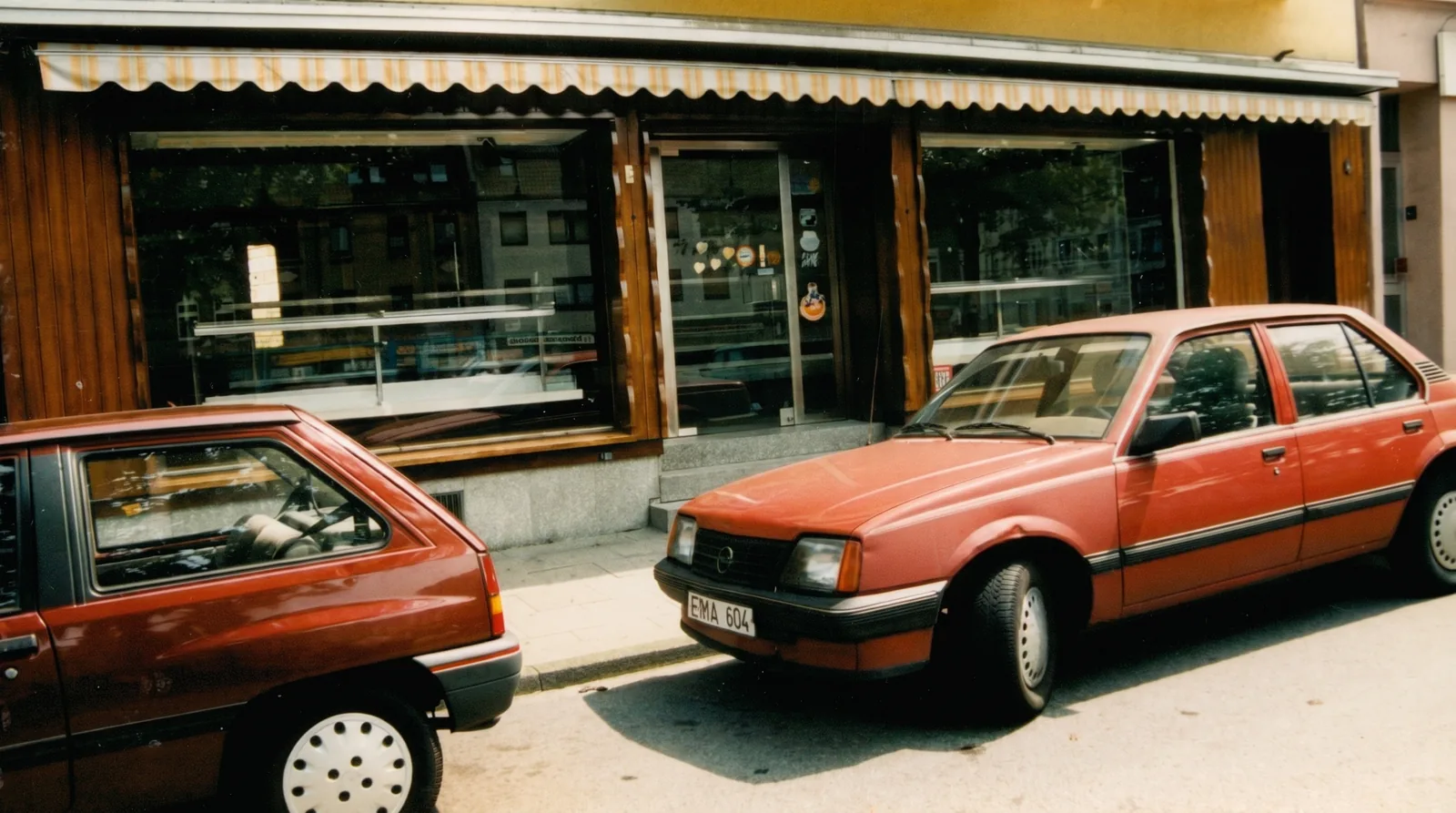
Historical photograph of the shop front with vehicles parked in front
The shop of the early years.

Historical photographs from the company archive. The devices shown reflect the state of the art at the time, not the current range.

Development continues

CEYLAN is family-run, develops and produces at its own sites in Germany and internationally, and its products are present in more than 90 countries today.